

If you choose to sell on Amazon, there are two main fulfillment methods to choose from: Amazon FBA and Amazon FBM. Each model offers its own pros and cons, so selecting the right one is crucial for a successful business.
Amazon FBM, aka Fulfilled by Merchant, offers greater control and flexibility. Amazon FBA, or Fulfilled by Amazon, provides Prime eligibility and convenience for sellers who would rather not be responsible for shipping fees.
This guide provides a comprehensive overview of the Amazon FBM program, including its advantages and disadvantages, and also shares in-depth information on its inner workings and the strategies that will help maximize your sales potential as a seller.
Main Takeaways From This Article:
-
Amazon FBM offers benefits like lower fulfillment costs and greater inventory control, but requires handling shipping and customer service.
-
Choose FBM for niche products, greater flexibility in fulfillment methods, or when FBA fees outweigh potential profits.
-
Success as an FBM seller hinges on optimizing listings, using advertising effectively, and maintaining excellent customer service.
-
Dynamic repricing solutions like Informed Repricer can provide a competitive edge in pricing strategies for FBM sellers.
What Is Amazon FBM (Fulfilled by Merchant)?
Amazon FBM, or Fulfilled by Merchant or Merchant Fulfilled Network, is a program designed for Amazon sellers to handle their orders independently. With FBM, you take charge of storing, packaging, and shipping your products to customers. You can do this on your own or outsource fulfillment to a third-party logistics company.
Opting for FBM gives you more control over inventory, fulfillment processes, and logistics, but it also means you must meet Amazon's customer service standards to keep buyers happy.
How Does Amazon FBM Work?
FBM takes meticulous planning and commitment to excellent service, but it can be a rewarding choice for independent sellers like you.
Picture this: You run a small online boutique specializing in handmade clothing. You've decided to try out Amazon FBM to reach a broader customer base without surrendering inventory control to Amazon. Here’s how to handle the process:
1. Set Up an Amazon Seller Account
The very first step involves creating your Amazon Seller Central account. During registration, you will select "Fulfillment by Merchant" as your shipping preference. This choice will ensure you handle all fulfillment duties.
2. List Your Products
Next, you list your products on Amazon with high-quality images and accurate descriptions. Engaging language that highlights your unique selling points is a must, as your listings' attractiveness can directly influence your sales.
3. Create an Inventory
Up next, you will create an inventory of all your products. Accurate inventory management is important to avoid stockouts or overpromising delivery times. You can use a spreadsheet or inventory management software to keep everything in good order.
4. Confirm and Process Incoming Orders
Once customers place their orders, you’ll be notified through your Amazon’s Seller Central account. It’s now up to you to pick up, process, and pack the orders. Follow the standard procedures, and be sure to use reliable and secure packaging to avoid damage in transit.
5. Once Ready, Ship the Orders
Ship the orders promptly, considering the customers' expected delivery dates. You must choose a shipping method that balances cost and delivery speed. Provide customers with tracking numbers where possible to enhance their buying experience.
After shipping, be ready to handle any customer inquiries or issues. Positive interactions can lead to good reviews, which can impact your reputation and future sales.
Advantages of FBM
FBM offers several benefits for sellers who prefer more control over their operations, such as:
Lower Fulfillment Costs
FBM can be more cost-effective than FBA, especially for low-volume sellers or those with products that are inexpensive or bulky to ship. By handling fulfillment, sellers can often negotiate better shipping rates and optimize packaging to minimize costs.
Increased Inventory Control
A major benefit of using FBM is that you can keep a tight rein on your inventory, which allows you to better manage your stock. Improved stock management enables you to respond quickly to changes in demand, prevent stockouts, and avoid costly overstocking.
Avoidance of FBA Storage Fees and Stock Restrictions
FBA involves storage fees and potential inventory storage limits, which can be a significant expense for sellers. FBM eliminates these concerns, providing greater flexibility in managing your stock and reducing potential costs.
Control of Fulfillment Method and Shipping
FBM gives you complete control over your fulfillment process. You can choose the shipping carrier, service level, and packaging that best suits your needs and budget. This allows you to optimize shipping costs and provide the best possible delivery experience for your customers.
Potential for Higher Profit Margins
By optimizing your shipping and fulfillment processes and avoiding FBA fees, you can achieve higher profit margins compared to FBA. This increased profitability can be reinvested in your business to improve marketing, expand your product offerings, or increase customer satisfaction.
Drawbacks of FBM

While FBM offers greater control, it also presents several challenges for sellers, including:
Increased Workload
FBM increases the workload for sellers. You are responsible for all aspects of order fulfillment, including picking, packing, shipping, and handling customer service inquiries related to shipping and delivery. This can be time-consuming and may require additional staff or resources.
Lack of Prime Eligibility (without Seller Fulfilled Prime)
Under FBM, your products are not eligible for free, two-day Prime shipping. This means your products will be less competitive compared to the products from sellers who choose to use Amazon's FBA service.
More Competition for Buy Box Ownership
Winning the Buy Box can be more challenging for FBM sellers. Amazon often prioritizes FBA offers in the Buy Box algorithm. This means you may need to be more competitive with your pricing and offer highly competitive shipping options to win the Buy Box and increase your visibility.
Potential for Negative Customer Feedback
Shipping delays, delivery issues, or damage to products during transit can lead to negative customer feedback. These issues can negatively impact your seller rating and potentially damage your reputation with customers on Amazon.
Higher Shipping Costs
Since you are responsible for your own fulfillment process, you need to arrange for shipping packages. This means that your shipping costs can vary considerably depending on where the packages are going and how big they are. As a result, the costs involved in packaging and shipping can eat into your profit margins, especially for larger or heavier items.
Amazon FBA vs. FBM: A Quick Comparison

While both FBA and FBM have their unique advantages, FBM emerges as a superior choice for sellers. Here's a brief comparison to show you why.
Fulfillment Costs
FBA costs include various fees charged by Amazon, such as referral fees, storage fees, pick-and-pack fees, and fulfillment fees associated with Amazon's fulfillment network. FBM eliminates these specific fees, but you are responsible for shipping costs, packaging materials, and labor costs.
Amazon FBM fees are lower than Amazon FBA fees, as the latter provides more comprehensive services from Amazon.
Prime Eligibility
FBA orders are automatically eligible for Prime delivery. FBM also offers Prime eligibility through the Seller Fulfilled Prime program, providing sellers with flexibility in choosing their preferred fulfillment methods while still offering Prime benefits to customers.
Storage Needs
With FBA, sellers rely on Amazon's fulfillment centers for inventory storage. FBM offers greater control over inventory storage, allowing sellers to leverage their existing warehouse space or partner with preferred third-party logistics providers.
Workload
FBA significantly reduces the direct fulfillment responsibilities for sellers. FBM requires more hands-on involvement, including order processing, packing, and shipping.
This increased workload allows for greater control over the customer experience and the opportunity to build stronger customer relationships.
Strategies for Success as an Amazon FBM Seller
To thrive as an FBM seller, you must implement strategies that focus on key areas including optimization, pricing, and customer service to increase visibility, drive sales, and build a successful business. Let’s unpack these and more strategies here.
Set Competitive Prices With Dynamic Repricing
Conducting thorough market research is crucial for understanding competitor pricing. To achieve this, analyze the prices offered by other sellers in your niche on Amazon. Examine variations in pricing based on product features, conditions, and shipping options so you can set competitive prices for your own products. Use repricing software like Informed Repricer to automatically adjust your prices based on competitor pricing, demand, and other factors.
Stay updated on seasonal trends and shifts in consumer demand to gain insights into when and why competitors adjust their prices. This comprehensive understanding equips you to strategically position your items in the market, ensuring that your offerings remain attractive to potential buyers.
Monitor and Manage Inventory Levels
Keeping a close eye on your sales data is crucial when managing inventory as an Amazon FBM seller. By analyzing past sales trends, you can accurately forecast future demand, helping you anticipate what your customers will need and when they'll need it, helping prevent stockouts and overstocking.
To effectively manage these dynamics, it's essential to implement a robust inventory management system. Such a system allows you to monitor your stock levels in real time, offering visibility into how your inventory is performing. With this knowledge, you can make informed decisions about when to reorder products and adjust stock levels accordingly.
Optimize Shipping Times and Costs
To provide the best and most efficient shipping experience for customers, negotiate discounts with shipping carriers based on shipping volume.
Offer different options to best meet the customer needs: speed of delivery, budget and/or environmental considerations. Display each option clearly so customers can pick the one that best suits their requirements. Make sure to ship each package quickly using the lightest, most efficient packaging materials.
Invest in Quality Packaging
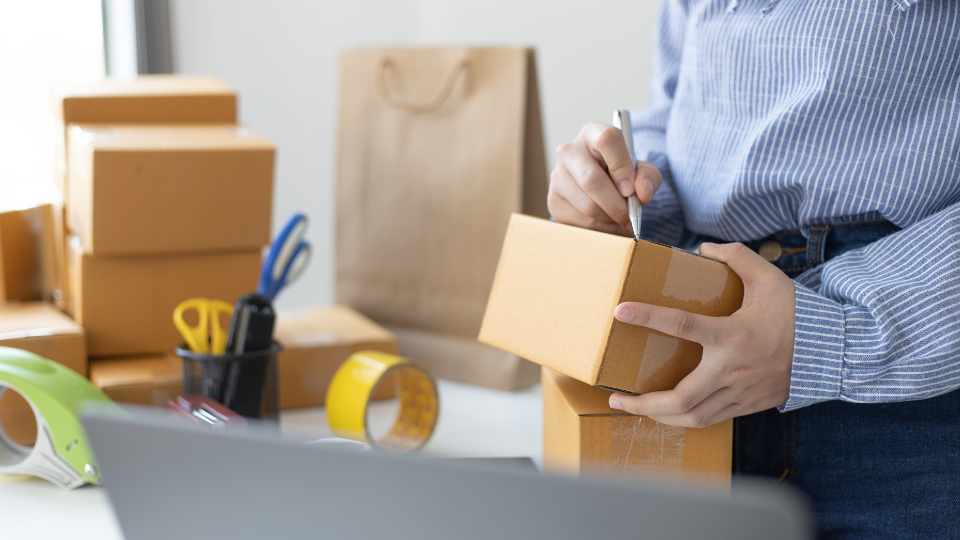
Packaging can either make or break a customer's impression of your brand. In this era of online shopping, first impressions are crucial. When sending a product via mail, make sure your packaging material is strong, sturdy, and protective. Bubble wrap, air pillows, and corrugated boxes are good places to start.
Environmentally conscious customers are a growing segment of the population, so you may want to consider investing in eco-friendly packaging as well. The more professional and appealing the packaging is, the better the unboxing experience and, in turn, the more positive the brand impression.
Provide Stellar Customer Service
Customer service is a key aspect of a successful business. When customers contact you, it’s your responsibility to acknowledge their concerns and provide timely support to ensure that your brand meets or exceeds their expectations.
Respond promptly to customer inquiries and resolve any issues efficiently, but don't hesitate to go the extra mile by offering proactive customer support, like order tracking updates and proactive communication regarding potential delays.
You can adjust your shipping and handling times to better manage customer expectations and buy shipping labels through Amazon. Building strong customer relationships through excellent service leads to repeat business and positive reviews.
Leverage Amazon Advertising
To succeed on Amazon, you need to make sure your product is seen by potential customers, and using Amazon’s advertising platforms is one straightforward way to increase the visibility of your products.
With options like Sponsored Products and Sponsored Brands, you can reach a broader audience and gain more customers. Run targeted ads based on keywords, interests, and demographics to reach a specific demographic. Use the insights from each campaign to know what’s working and what isn’t, and make changes to your targeting so you earn a consistent return on investment.
Focus on Niche Products
Competition for some niches can be fierce, and as you identify these, it can be very difficult to rise to the top. Identifying and targeting specific niches with less competition can reduce competition, increase your chances of success, and allow you to build a strong brand presence within a particular market segment.
To find high-demand, low-competition niches, begin with thorough market research focused on potential customers' demographics, needs, and pain points. Conduct keyword research to identify relevant search terms and pinpoint underserved niches, which could be defined by geography, product, service, or customer demographic. Once you've identified a niche, start testing your assumptions by reaching out to potential customers. Ask questions and pay attention to their responses.
Enhance Product Listings
Building trust and showcasing your product's value is key to driving sales. Encourage customer reviews by including a simple request in your order fulfillment emails or in the product packaging. Respond promptly and professionally to all reviews, both positive and negative, to demonstrate your commitment to customer satisfaction.
Consider adding high-quality videos to your product listings to showcase your product in action and provide a more engaging customer experience. Regularly update your product listings with new information, such as improved product descriptions, high-resolution images, and customer testimonials, to keep your listings fresh and informative.
Utilize Analytics and Reporting Tools
FBM is part of an overall business strategy for making more money. If you don't track business metrics, you can't optimize your FBM strategy for more profit. However, you can use your FBM data to increase sales and make more money.
Track key metrics such as sales data, traffic sources, customer behavior, and conversion rates. Use Amazon's built-in analytics tools and consider using third-party tools to gain deeper insights into your business performance.
Prepare for Seasonal Demand
Anticipate and prepare for seasonal demand fluctuations. Increase inventory levels, adjust your shipping strategies, and proactively address potential challenges during peak seasons to ensure smooth order fulfillment and customer satisfaction. Consider offering promotions and discounts to attract customers during peak seasons.
Optimize Your Pricing Model and Grow Your Amazon Business With Informed Repricer
If you want to truly maximize your profits, beat the competition, and dominate the Amazon Marketplace, Informed Repricer can be the ultimate tool for your business.
Our intelligent repricing software is a vigilant market analyst, constantly scanning for shifts in demand, competitor pricing, and market trends. With this real-time information, Informed Repricer adjusts your prices dynamically, ensuring you remain competitive while safeguarding your precious profit margins.
With Informed Repricer, you'll unlock new opportunities to grow your Amazon store like never before. Start your free trial today, take control of your pricing, and watch your business thrive.
FAQs
When Should I Consider Amazon FBM?
If you prioritize control over inventory and fulfillment, have low-volume sales, or sell unique or bulky products where FBA fees might be high, FBM may be right for you. It's also suitable if you want to offer unique shipping options or have a strong existing logistics network.
How Much Does Amazon FBM Cost?
FBM itself has no direct costs to sellers. However, you are responsible for all shipping costs, packaging materials, and any associated labor costs for order fulfillment.
Who Pays for Shipping for FBM?
Typically, the buyer pays for shipping costs, although sellers can offer free shipping (by bearing the costs themselves, of course!) to attract customers.
Is FBM Better than FBA?
No single method is universally "better." FBA offers convenience and Prime eligibility, while FBM provides greater control and potential for lower costs. The best choice depends on your specific business needs and product characteristics.